
If you are planning a European vacation and looking beyond the usual suspects like Paris or Rome, it is time to put Warsaw, Poland, on your radar—and All About Travel is here to help you make the most of it. Warsaw is a vibrant capital that combines powerful history, a cutting-edge creative scene, and excellent value, making it one of the smartest additions to any European travel itinerary.
Why Warsaw Belongs On Your European Travel List
Warsaw is a city that has reinvented itself more than once. Nearly destroyed during World War II and reshaped during the communist era, it now stands as a symbol of resilience and modern Polish identity. You feel that contrast as you move from reconstructed medieval streets in the Old Town to sleek skyscrapers, curated museums, and stylish cafés.
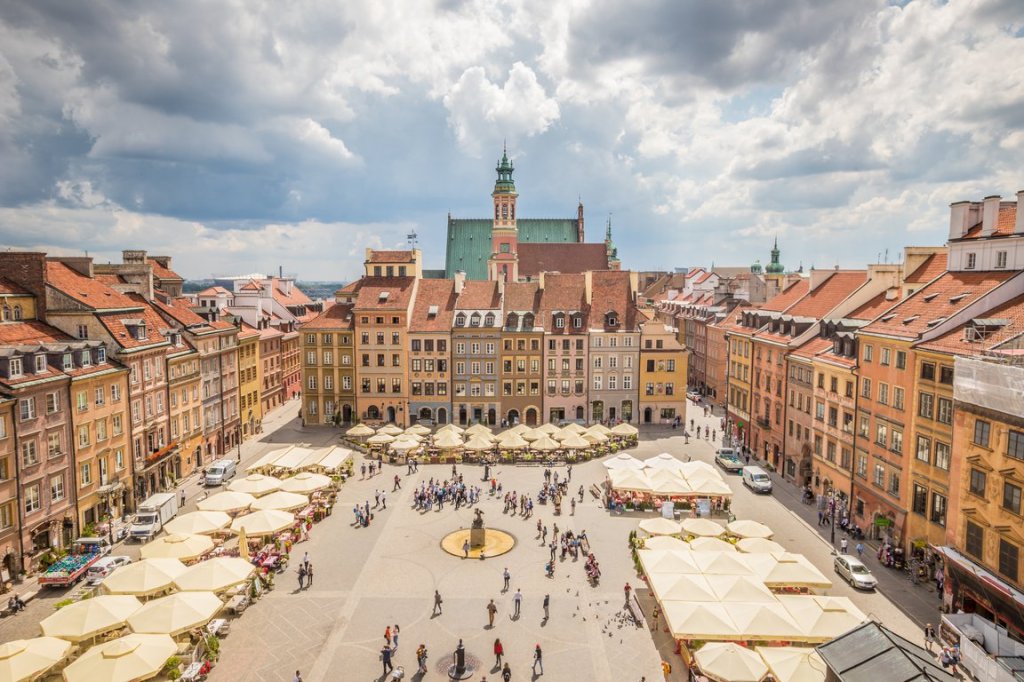
Old Town Warsaw
For European travelers who like cities with layers, Warsaw offers a different energy than Western Europe’s polished old towns. It is less crowded and more affordable, yet it still delivers on great food, museums, nightlife, and architecture. If you are building a longer European vacation, Warsaw also connects easily with other major hubs like Berlin, Prague, and Kraków by train or short flights. When you are ready to plug Warsaw into a bigger route, you can always turn to All About Travel for more Europe itinerary ideas and planning tips.
First Impressions: Old Town Charm Meets Modern Skyline
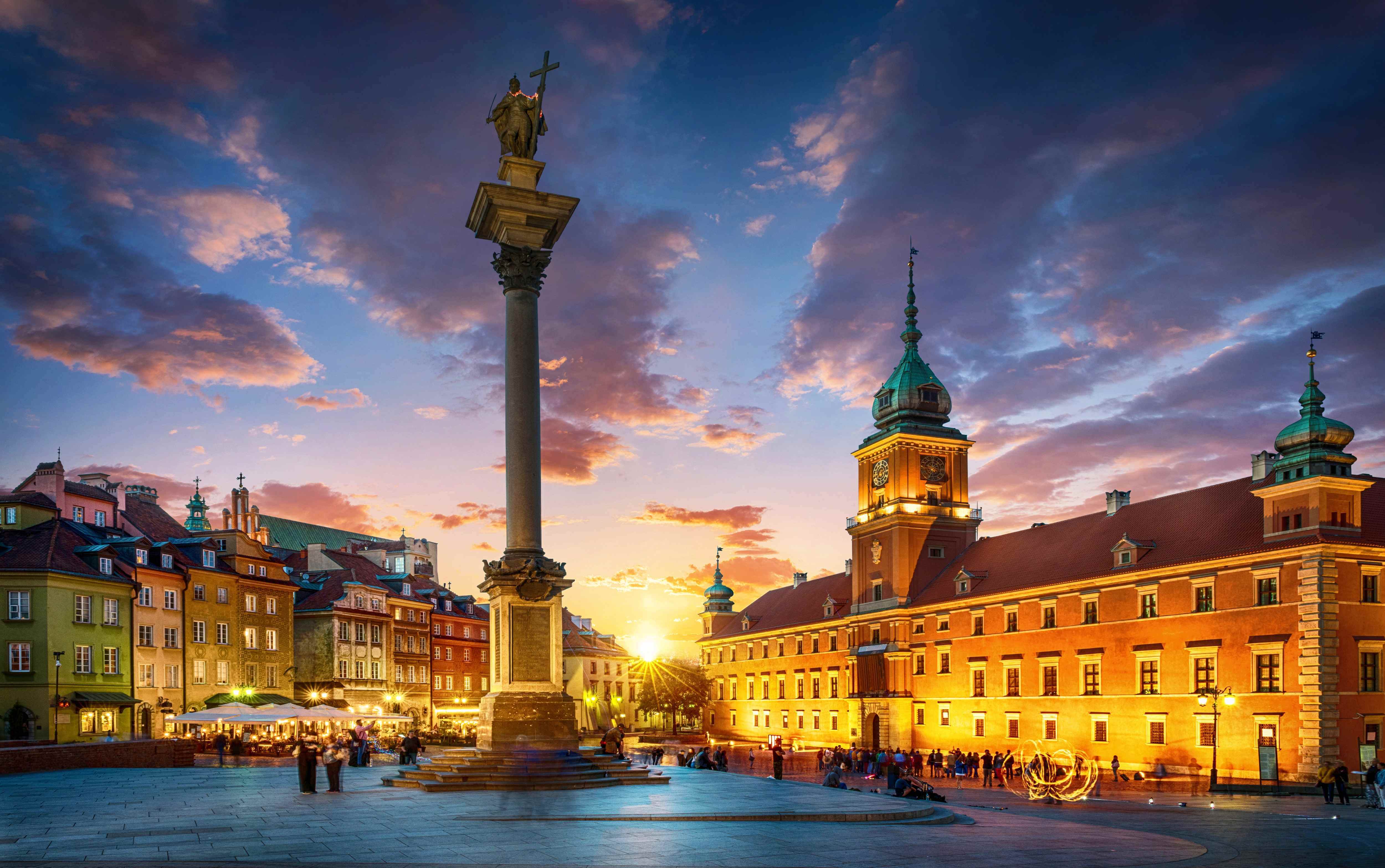
Most visitors start in Warsaw’s Old Town, a UNESCO-listed area painstakingly rebuilt after the war using old paintings and photographs as references. Colorful townhouses, church towers, and the Royal Castle surround the Old Town Market Square, where you can sit with a coffee and people-watch on a sunny day.
Walk a little farther and the mood changes. In central Śródmieście, modern glass towers rise around the imposing Palace of Culture and Science, a Stalin-era skyscraper that now houses theaters, museums, and a viewing deck. From up top, you get a sweeping panorama that really shows how Warsaw has become a forward-looking, 21st-century European capital. It is the kind of first impression that makes All About Travel readers fall in love with “second cities” and under-the-radar capitals.
What To Do In Warsaw On A European Vacation
If you are in Warsaw for a few days as part of a broader Europe trip, focus on a mix of history, culture, and local life. All About Travel recommends starting with the essentials and then following your curiosity into different neighborhoods.
Stroll the Royal Route, a historic road linking the Royal Castle with Wilanów Palace, passing elegant palaces, churches, and the University of Warsaw along the way. Spend time at Łazienki Park, a vast green space with palaces, lakes, and famous Chopin monuments; on summer Sundays, you can catch free outdoor piano concerts. Visit at least one major museum, such as the Warsaw Uprising Museum or the POLIN Museum of the History of Polish Jews, which bring Warsaw’s complex past to life in an engaging way. Explore across the river in Praga, once rough around the edges, now a creative neighborhood with street art, indie bars, and atmospheric courtyards that show another side of European city life.
This blend of sights gives travelers exactly what they look for in European travel: a sense of place, strong stories, and local neighborhoods that have not been smoothed into something generic. When you are planning what to see and do, you can always come back to All About Travel for more ideas on how to balance big landmarks with lesser-known spots.
Food, Drink, And Nightlife In Warsaw
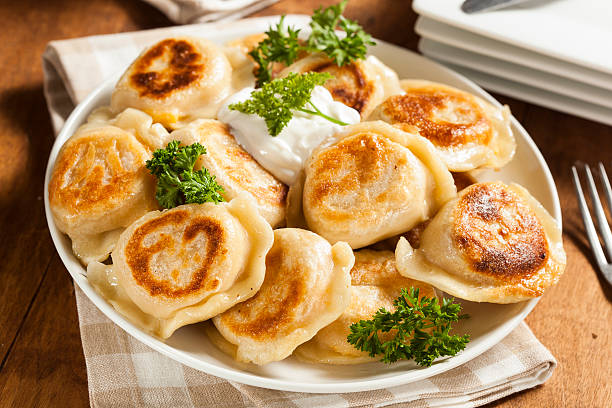
One of the best parts of adding Warsaw to a European vacation is how far your food and nightlife budget goes. You can start the day with coffee and pastries, grab a quick plate of pierogi at a traditional milk bar, then treat yourself to a creative, modern Polish tasting menu—all for less than what a single fancy dinner might cost in some Western capitals.





When the sun goes down, Warsaw’s nightlife kicks in. Craft beer bars pour an impressive range of local and international brews, cocktail bars riff on prewar Polish classics, and clubs stay open late across the city center and Praga. In warmer months, riverside bars and pop-ups along the Vistula give you that relaxed, open-air European travel vibe, with locals and visitors mixing by the water late into the evening. If you are a foodie or night owl mapping out a bigger trip, All About Travel can help you link Warsaw’s bar and restaurant scene with other great European cities.
When To Visit Warsaw On Your Europe Trip
For most European travelers, the best times to visit Warsaw are late spring (May–June) and early fall (September), when the weather is mild, parks are green, and crowds are manageable. Summer can be fun with outdoor events and long evenings, but it can also be hotter and busier, especially around school holidays.
If you enjoy wintry city breaks, Warsaw in December offers Christmas markets, festive lights, and a cozy café scene, though you will need to pack for cold temperatures. Whenever you go, two to three full days in the city works well within a longer European vacation, giving you time to see the highlights without feeling rushed. For seasonal tips, packing ideas, and more European city-break inspiration, All About Travel is a great place to start planning.
Practical Tips For Adding Warsaw To Your European Itinerary
Getting there: Warsaw is served by two airports and well‑connected by rail to major European hubs, making it easy to slot into a multi‑city European travel plan.
Getting around: Trams, buses, and a compact metro make it simple to navigate, and many main sights are walkable within central neighborhoods. Public transport is efficient and user‑friendly, which is ideal if you are combining Warsaw with other cities on a budget-friendly Europe trip.
If you are dreaming up your next European vacation and want a city that feels fresh, authentic, and surprisingly affordable, Warsaw is a fantastic choice—and All About Travel is here to give you the ideas, tips, and inspiration you need to make it happen.


Leave a comment